How Tree Damage Can Impact Your Roof After Florida Storms
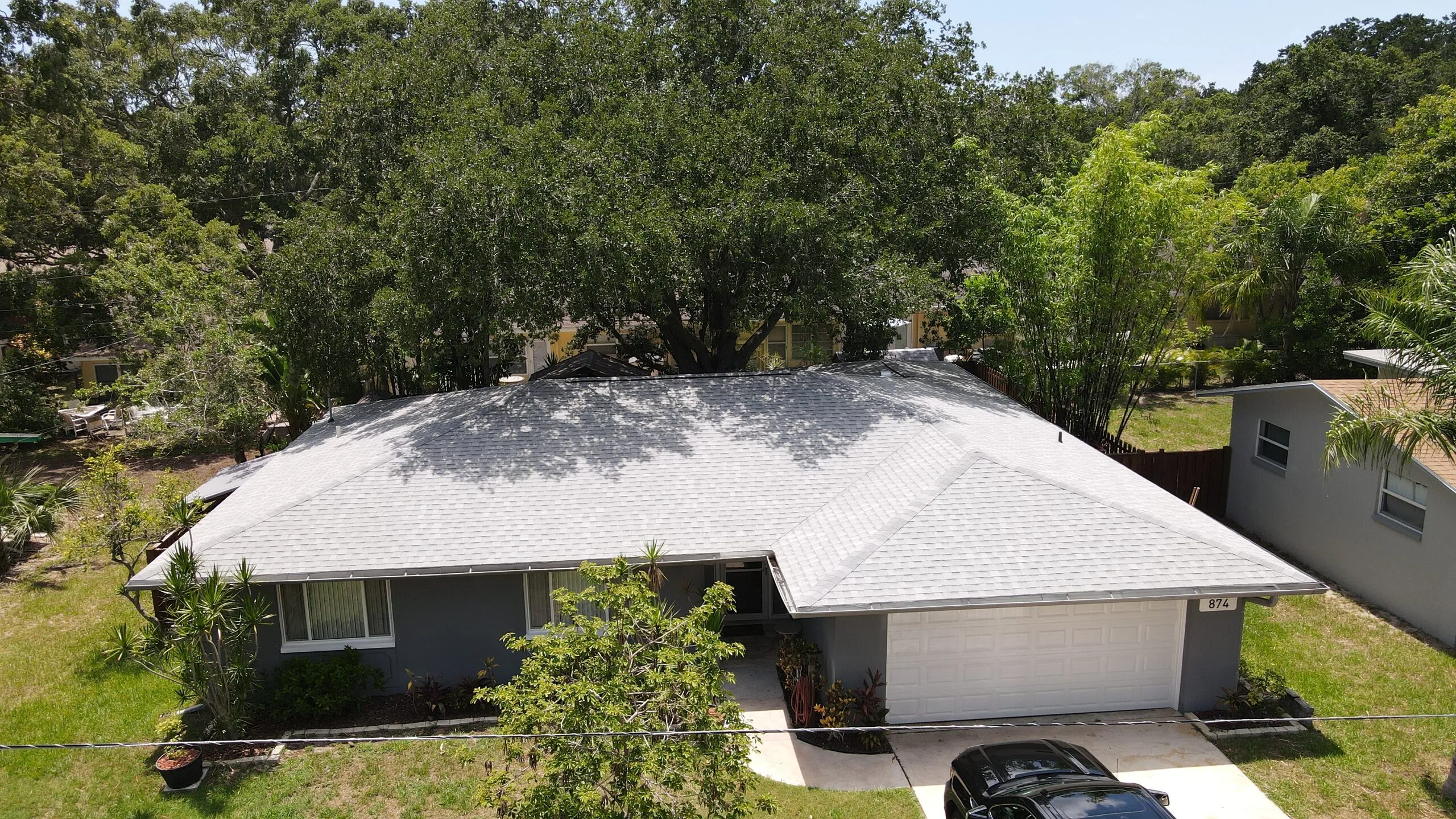
For homeowners across Tampa Bay, Pasco County, and Palm Harbor, Florida storms can bring more than heavy rain and strong winds. Falling branches, windblown limbs, and storm-weakened trees can all create serious roofing problems, even when the damage is not immediately obvious from the ground.
At Tactical Roofing Company, we help homeowners identify and address storm-related roof damage before it leads to larger issues. Understanding how tree damage affects your roof can help you respond quickly, protect your home, and avoid costly repairs after severe weather moves through the area.
Why Tree Damage Is Common After Florida Storms
Florida storms can place extreme stress on trees, especially during hurricane season or periods of saturated soil. Strong winds can snap branches, loosen limbs, or uproot trees entirely. Even smaller branches can cause damage when they strike roofing materials at high speeds.
For homes throughout Tampa Bay, tree-related roof damage often happens because of:
• Overhanging branches near the roofline
• Dead or weakened limbs
• Trees stressed by heavy rain and wind
• Debris carried by storm gusts
Tree damage may seem minor at first, but even small impacts can compromise your roof’s ability to shed water properly.
Visible Signs of Tree-Related Roof Damage
Some damage is easy to spot after a storm, especially if large branches are resting on the roof. Other signs can be more subtle and may require a professional inspection.
Homeowners in Pasco County and Palm Harbor should look for:
• Missing, cracked, or lifted shingles
• Branches or debris on the roof
• Damaged gutters or downspouts
• Dents or impact marks on roofing materials
• Water stains on ceilings or walls
If you notice any of these signs, it is important to avoid climbing onto the roof and contact a professional roofing contractor.
Hidden Damage Can Lead to Bigger Problems
Tree impact damage is not always limited to the surface. A branch may damage shingles, underlayment, flashing, or even the roof decking beneath. If moisture enters these areas, problems can grow quickly.
Hidden roof damage may lead to:
• Slow leaks inside the home
• Moisture intrusion in attic spaces
• Wood rot or weakened decking
• Mold or mildew growth
• Higher repair costs if left untreated
Tactical Roofing Company performs detailed inspections to determine whether tree damage has affected more than the visible roofing surface.
Gutters and Drainage Can Also Be Affected
Tree debris can damage more than shingles. Gutters, downspouts, and roof valleys often collect leaves, branches, and debris after a storm. When drainage systems become clogged or damaged, water can back up and move under roofing materials.
For Tampa Bay homeowners, poor drainage after storm debris can cause:
• Water pooling along roof edges
• Overflow near the foundation
• Increased risk of leaks
• Damage to fascia and soffit areas
Clearing debris and inspecting drainage components is an important part of post-storm roof care.
What to Do After a Tree Hits Your Roof
If a tree or large branch impacts your roof, safety should come first. Storm damage can create unstable conditions, especially if the roof structure has been compromised.
Homeowners across Pasco County and Palm Harbor should:
• Stay away from damaged roof areas
• Avoid removing large branches themselves
• Take photos from the ground when safe
• Watch for signs of interior leaks
• Schedule a professional roof inspection promptly
Tactical Roofing Company can assess the damage and recommend the safest next steps for temporary protection, repairs, or replacement if needed.
When Tree Damage May Require Roof Repairs or Replacement
Not all tree damage requires a full roof replacement. In many cases, targeted repairs may restore proper protection. However, severe impact damage, widespread shingle loss, or compromised decking may require more extensive work.
Tactical Roofing Company evaluates:
• The size and location of the impact
• The age and condition of the roof
• Whether moisture has entered the roofing system
• The extent of material or structural damage
This honest assessment helps homeowners make informed decisions without unnecessary pressure.
Preventing Future Tree-Related Roof Damage
While storms cannot be controlled, homeowners can reduce risk with proactive maintenance. Keeping trees trimmed and removing weakened branches before storm season can help limit potential roof damage.
Preventative steps include:
• Trimming branches away from the roofline
• Removing dead or unstable limbs
• Keeping gutters clear of debris
• Scheduling roof inspections before hurricane season
For homeowners throughout Tampa Bay, preventative care is one of the best ways to protect the roof before severe weather arrives.
Protecting Your Roof After Florida Storms
Tree damage after a storm should never be ignored. Even minor impacts can lead to hidden leaks, drainage issues, and long-term roof deterioration if left untreated.
Tactical Roofing Company proudly serves homeowners across Tampa Bay, Pasco County, Palm Harbor, and surrounding communities with honest inspections, dependable repairs, and disciplined craftsmanship. When storms bring tree damage to your roof, Tactical Roofing Company is ready to help protect what matters most, your home.