How to Find the Right Roofing Contractor for Your Home’s Roof Repair: Tactical Roofing Company
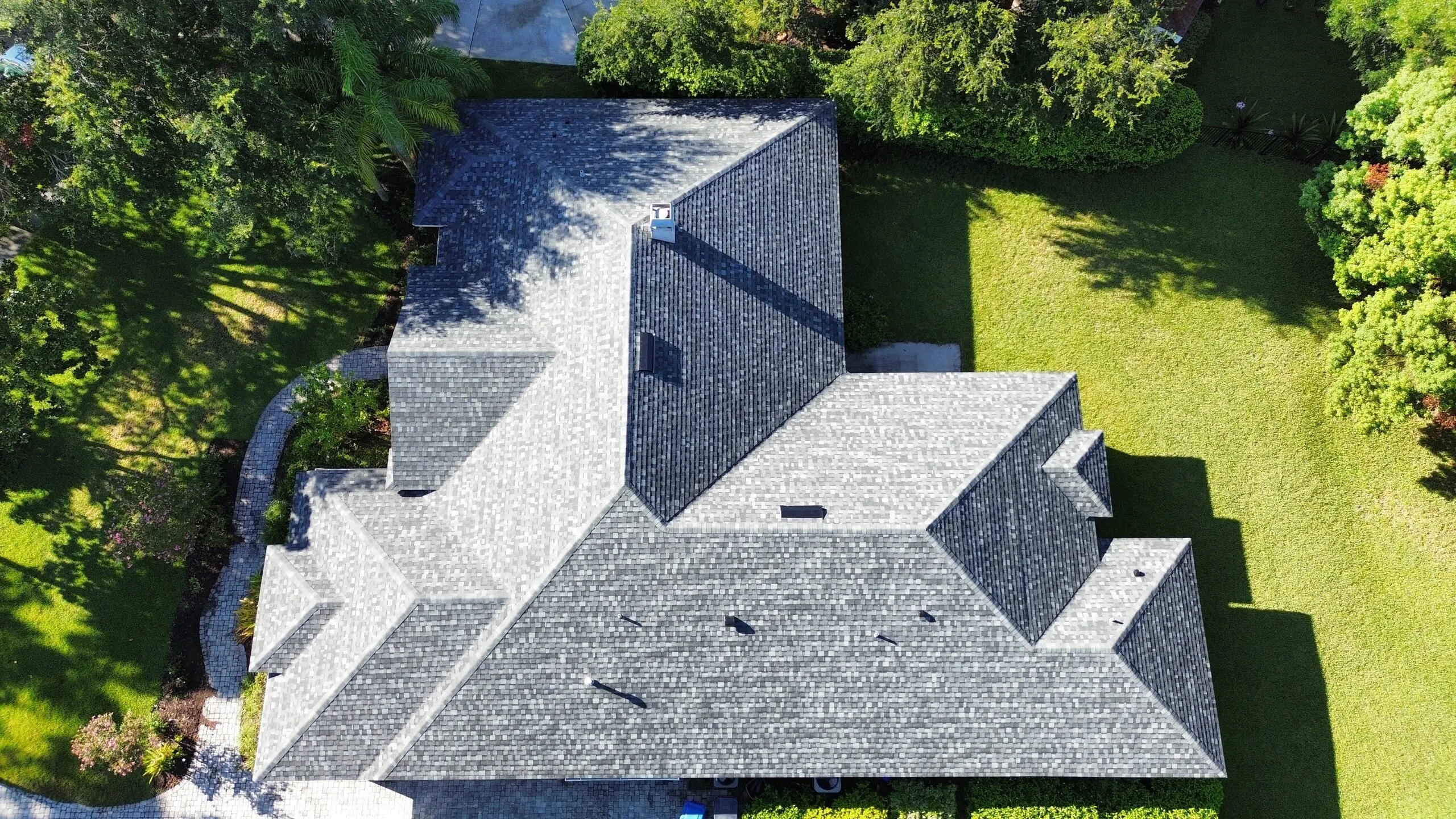
Need a reliable contractor for your home’s roof repair? This guide will help you find the right roofing contractor for your home’s roof repair by addressing key steps like assessing damage, verifying credentials, and comparing quotes.
Key Takeaways
- Assess your roofing needs by evaluating damage and determining whether a repair or replacement is required.
- Research potential contractors by checking credentials, reading reviews, and asking for references to ensure quality workmanship.
- Compare quotes and warranties from different contractors to make an informed decision and secure long-term protection for your roof.
Identifying Your Roofing Needs
Recognizing your roofing needs is crucial for maintaining your home’s safety and longevity. Postponing repairs can escalate damage and increase costs. Begin by evaluating the damage, considering your roof type and materials, and deciding whether a repair or replacement is required.
Every roof is unique and requires a tailored approach. Assessing the damage helps determine whether a simple repair is enough or if a complete roof replacement is necessary.
Learn how to assess roof damage, consider your roof type and material, and make an informed choice between repair and replacement.
Evaluating Roof Damage
Start evaluating roof damage with a thorough roof inspection. Look for common signs such as missing or cracked shingles, leaks, and structural issues. For asphalt shingles, check for curled corners, cracks, and missing pieces. Minor repairs might involve patching leaks or replacing a few shingles.
Recognizing severe damage is also important. Signs such as sagging ceilings, extensive granule loss, and peeling paint may indicate the need for a roof replacement. Severe damage can occur due to strong winds, rain, hail, fallen tree limbs, and fires. After any major incident, it’s advisable to contact a roofer for a damage assessment.
Each roofing material comes with its own set of issues. Metal roofs may face corrosion, oil canning, and color fading, while flat roofs often struggle with pooling water, tearing, and wrinkling. Knowing these specifics helps in making informed decisions about repairs and replacements.
Considering Roof Type and Material
The type of roof and roofing materials used are pivotal to your roof repair project. Materials like asphalt shingles, tile, and metal require specific expertise for installation and repair. Researching them in advance allows for more informed discussions with contractors.
Evaluate all materials used in roofing, including minor components like vents and flashings, for quality and price. Roofing Contractors like us at Tactical Roofing Company specialize in new tile, silicone, and TPO roofing services, showcasing our material expertise.
Determining Repair vs. Replacement
Choosing between roof repairs and roof replacement depends on the extent and frequency of damage. Large-scale structural damage and frequent leaks often indicate the need for roof replacement. If more than 30% of the roof is severely damaged or significant sagging is present, replacement is probably necessary.
Consider the roof’s age and level of deterioration. Promptly addressing minor roof repairs and major roof repairs can extend its lifespan, while neglect can result in costly roof repair cost replacements.
Consulting a reputable roofing contractor offers valuable insights for making this critical decision.
Researching Potential Contractors
Finding the right roofing contractor requires thorough research. Begin by collecting positive referrals, ratings, and online reviews to identify reputable contractors. Verify their credentials, licenses, and work quality through sources like online directories and community recommendations.
A reputable roofer will have strong reviews and testimonials. Verifying a contractor’s license and credentials ensures quality workmanship and helps resolve potential issues. Learn how to check credentials, read reviews, and ask for references for an informed decision.
Checking Credentials and Licenses
Verifying a contractor’s credentials and licenses is crucial. Ensure their licensing qualifies them to perform roofing work according to local regulations by checking with the state licensing board or relevant trade organizations.
Ask about the contractor’s insurance coverage to ensure protection against potential damages during the project. Verify their licensing and insurance through local building departments or the National Roofing Contractor Association to avoid liability.
Reading Reviews and Testimonials
Reading reviews and testimonials from past clients helps gauge a roofing contractor’s quality and reliability. Online platforms like Google, Yelp, and the Better Business Bureau are excellent sources for this information.
Look at both the number of reviews and the overall rating, while reading specific comments to understand the contractor’s strengths and weaknesses. This offers a comprehensive view of their performance and customer satisfaction.
Asking for References
Once potential contractors are narrowed down, request a list of references. Contact past clients to gain insight into their experiences with the contractor.
Speaking with previous clients helps assess a contractor’s professionalism, work quality, and responsiveness to issues. Asking about their satisfaction can gauge the contractor’s performance and reliability.
Comparing Quotes and Services
Comparing quotes and services from different contractors is crucial for finding the best option for your roofing project. Request a detailed written estimate to understand the scope of work, materials, and overall cost. Clear communication from the start aligns expectations and prevents misunderstandings.
Clarifying timelines and budgets with the contractor upfront is vital for the project’s success. Discussing budget constraints and material availability sets realistic expectations for the project timeline.
Learn how to understand quotes, evaluate service offerings, and consider warranties.
Understanding Quotes
A professional roofer should provide a customized quote detailing the scope of work and materials for the repairs. Be cautious of cheap quotes, as they may indicate subpar workmanship or inferior materials.
Ignoring minor roof issues can lead to more extensive and costly roof repairs. Thoroughly understanding the quote helps prevent unexpected expenses and ensures quality service for your investment.
Evaluating Service Offerings
Roofing contractors provide various services, including roof repairs, roof maintenance, and roof installations of roofing systems, to meet different customer needs in the roofing industry. Emergency roof repair services offer quick solutions to urgent roofing issues caused by storms or unexpected damage.
Regular maintenance extends the lifespan of your roof and prevents costly future repairs. Many roofing contractors also offer new installation services for complete roof replacements or new construction.
Considering Warranties
Warranties provide long-term protection for your roof against potential repairs or replacements. Some roofing companies offer a lifetime warranty on labor and workmanship for the lifespan of the new roof.
Opting for a contractor with strong warranties adds value and security to your roofing investment. Warranty coverage can vary based on factors like the cause of damage, often balancing between issues such as extreme weather versus neglect.
Meeting with Contractors
Meeting with roofing contractors is similar to a job interview; it allows you to assess their experience and qualifications. A professional roofer will actively listen to your concerns and ask relevant questions to understand your needs during the initial meeting.
Verify that the contractor’s timeline aligns with your project schedule to avoid delays. Contractors should provide a clear timeline for starting and completing the roofing project.
Learn how to prepare questions, discuss project details, and observe communication skills during these meetings.
Preparing Questions
Prepare questions about the contractor’s prior experience and specific approach to roof repair projects. Online review platforms like Yelp and Angie’s List offer insights into a contractor’s past performance and customer satisfaction.
Seek feedback from previous clients to assess the contractor’s reliability and work quality. Check their websites for client testimonials and previous project photos.
Discussing Project Details
Trustworthy roofing contractors should inspect the roof thoroughly to understand the extent of repairs needed before discussing timelines and budgets. Effective job site management ensures timely work and cleanliness throughout the project.
The roofing company can complete an installation from estimate to finished roof in two weeks. Discussing these details upfront sets clear expectations and avoids potential issues.
Observing Communication Skills
Communication skills are crucial for assessing a roofing contractor’s quality. Effective communication during initial meetings indicates their customer service quality and willingness to address concerns.
A contractor’s ability to address your concerns reflects their overall customer service and professionalism. Observing these skills helps determine if the contractor is the right fit for your project.
Finalizing Your Decision
Finalizing your decision involves reviewing contract terms, confirming schedules, and securing necessary permits and approvals. Roofing warranties can vary significantly, covering materials, workmanship, or both, making them essential to compare.
Ensure the roofing contractor provides a clear payment schedule to avoid misunderstandings regarding financial commitments. Learn about reviewing contract terms, confirming schedule and availability, and securing permits and approvals.
Reviewing Contract Terms
A clear payment schedule in your roofing contract helps avoid unexpected costs. Your roof repair contract should outline payment terms and the specific work to be performed.
A roofing contract should detail the scope of work of your roof repairs, including all necessary materials and labor. It should also outline provisions for unforeseen circumstances that may increase project costs.
Confirming Schedule and Availability
Effective communication is vital when scheduling roofing appointments, as initial interactions can influence client confidence. Appointment setters play a key role in linking clients with roofers, ensuring proper scheduling and information.
Using appointment scheduling software streamlines the booking process, allowing clients to view fees and manage schedules effectively. Confirming schedules and availability upfront keeps the project on track.
Securing Permits and Approvals
Securing necessary permits and approvals is crucial for any roofing project. Homeowners usually don’t need a permit for minor roof repairs. The average roof repair cost of a roof repair permit is $75, typically ranging between $100 and $500. The roof repair cost can vary based on the extent of the work needed.
Ensuring your contractor obtains the necessary permits helps comply with local regulations and prevents potential legal issues.
Summary
Choosing the right roofing contractor for your home’s roof repair project involves understanding your roofing needs, researching potential contractors, comparing quotes and services, meeting with contractors, and finalizing your decision. By following these steps, you can ensure that your roofing project is handled professionally and efficiently.
Remember, your roof is a significant investment that protects your home and family. Taking the time to select a reputable roofer will pay off in the long run, providing peace of mind and a durable roof over your head.
Frequently Asked Questions
How can I tell if my roof needs to be replaced or just repaired?
If you notice significant structural damage, frequent leaks, or sagging, it’s likely time for a roof replacement, especially if over 30% of the roof shows severe damage. Addressing these issues promptly can prevent further complications.
What should I look for in a roofing contractor’s credentials?
Ensure the roofing contractor is licensed and insured, as this confirms their qualifications and protects you from potential liabilities. Verifying these credentials through local building departments is essential for compliance with regulations.
Why is it important to read reviews and ask for references?
Reading reviews and asking for references is crucial as it allows you to evaluate the quality and reliability of a contractor, ensuring you make an informed decision based on others’ experiences. This insight into their professionalism and work quality can save you time and money in the long run.
What should be included in a roofing quote?
A roofing quote should include a detailed scope of work, a list of materials to be used, and the overall cost to avoid unexpected expenses and ensure quality service. This transparency helps you make an informed decision for your roofing project.
How do warranties affect my decision in choosing a roofing contractor?
Warranties significantly influence your choice of a roofing contractor by providing essential protection against future repairs or replacements. Selecting a contractor with robust warranties enhances the value and security of your roofing investment.