How Hurricane Debris Causes Hidden Roof Damage in Tampa Bay Homes
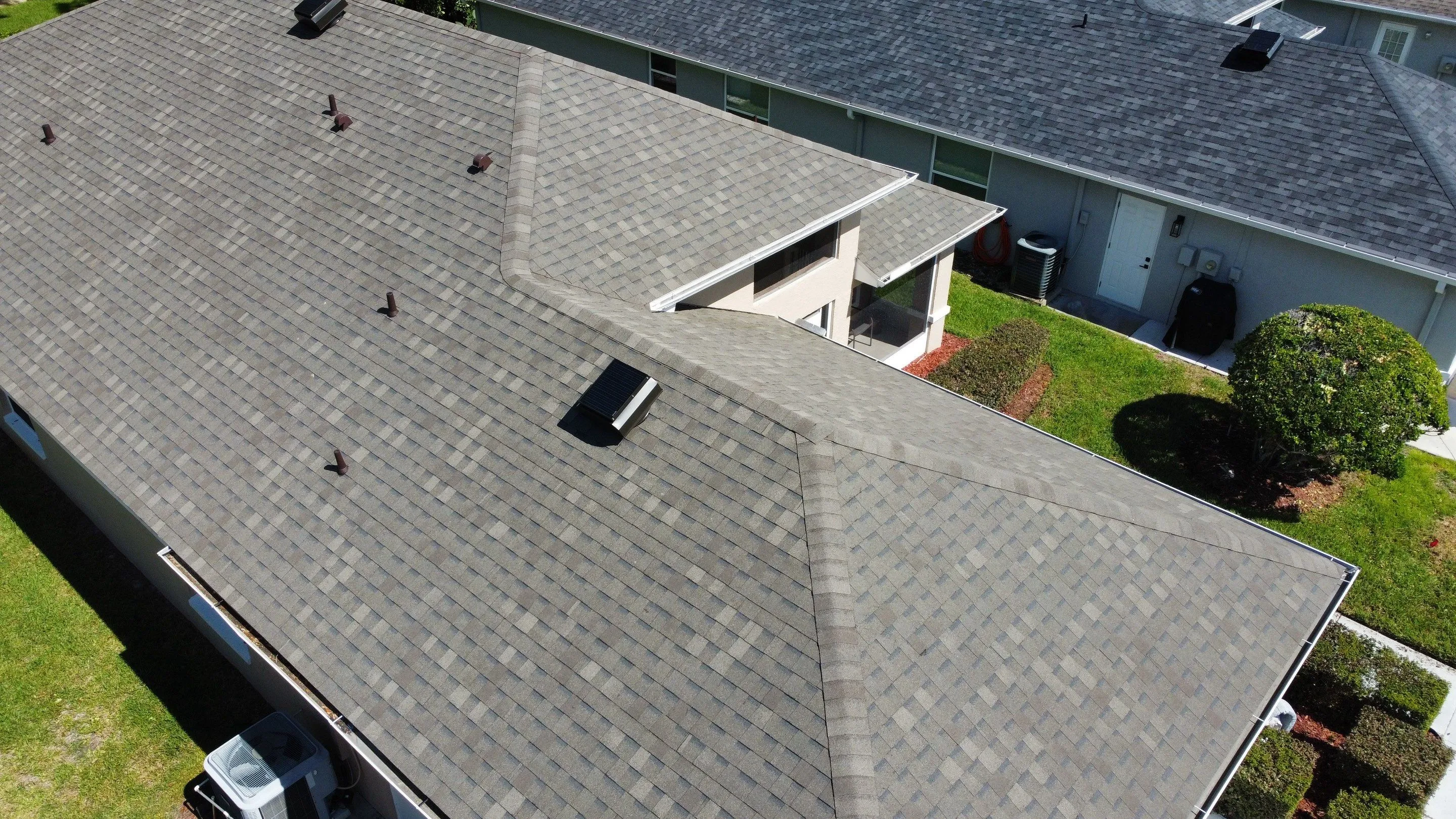
When most homeowners think about hurricane roof damage, they picture missing shingles, fallen trees, or large holes in the roof. While these obvious problems certainly require immediate attention, some of the most expensive storm-related roofing issues begin with damage that isn’t immediately visible.
For homeowners throughout Tampa Bay, Pasco County, and Palm Harbor, hurricane debris can cause hidden roof damage that may go unnoticed for weeks or even months after a storm. Left unaddressed, these seemingly minor issues can lead to leaks, mold growth, structural deterioration, and costly repairs.
At Tactical Roofing Company, we help homeowners identify storm-related roofing problems before they become major issues. Understanding how hurricane debris affects your roof can help you take proactive steps to protect your home and avoid long-term damage.
How Hurricane Debris Damages Roofs During Florida Storms
During hurricanes and severe storms, debris can travel at high speeds. Tree branches, roofing materials, outdoor furniture, signs, and other objects often become airborne during strong wind events.
When debris impacts a roof, the damage isn’t always obvious. Even if shingles remain in place, the force of the impact can weaken roofing materials beneath the surface.
Common forms of hurricane debris damage include:
• Cracked or fractured shingles
• Damaged roof flashing
• Punctures in roofing materials
• Compromised underlayment
• Dents from debris impacts
• Weakened roof decking
Many of these issues cannot be identified from the ground, making professional inspections especially important after a major storm.
The Hidden Damage Homeowners Often Miss
One of the biggest misconceptions about hurricane damage is that if a roof isn’t leaking immediately, it wasn’t damaged.
In reality, hidden roof damage often develops gradually.
For homes throughout Tampa Bay and Pasco County, debris impacts may create small openings that allow moisture to enter over a longer length of time. Water can travel beneath roofing materials and spread into areas homeowners rarely inspect.
Hidden damage may result in:
• Slow roof leaks
• Moisture intrusion in attic spaces
• Mold and mildew growth
• Damaged insulation
• Wood rot in structural components
• Reduced roof lifespan
These issues frequently remain unnoticed until interior symptoms begin to appear in your home.
Tree Branches Are One of the Most Common Sources of Roof Damage
Florida’s mature trees provide valuable shade, but they can also become a significant roofing hazard during hurricane season.
In Palm Harbor, Tampa Bay, and surrounding communities, homeowners often experience damage from:
• Falling limbs
• Broken branches
• Trees rubbing against roofing materials during high winds
• Debris accumulation in roof valleys and gutters
Even smaller branches can remove protective granules from shingles, crack roofing materials, or damage flashing systems that help keep water out of the home.
Debris Can Damage More Than Just Shingles
Many homeowners focus on shingles after a storm, but debris can affect multiple components of a roofing system.
Areas commonly damaged include:
Flashing
Flashing protects vulnerable areas around chimneys, vents, skylights, and roof transitions. Debris impacts can bend or loosen flashing, creating pathways for water intrusion.
Gutters and Drainage Systems
Branches and storm debris frequently clog gutters and downspouts. Poor drainage can cause water to back up beneath roofing materials and increase the risk of leaks.
Roof Vents
Vents damaged by debris may allow water to enter attic spaces or reduce ventilation efficiency, contributing to moisture and heat buildup.
Roof Decking
Severe impacts can weaken the structural surface beneath roofing materials, even when the exterior appears relatively undamaged.
Warning Signs of Hidden Hurricane Damage
Homeowners across Tampa Bay should watch for signs that hidden roof damage exists after a storm.
Common indicators include:
• Water stains on ceilings or walls
• New attic moisture or damp insulation
• Missing shingle granules in gutters
• Unexpected increases in humidity indoors
• Visible dents or impact marks
• Debris remaining on the roof after the storm
If any of these warning signs appear, scheduling a professional roof inspection is highly recommended.
Why Post-Storm Roof Inspections Are So Important
Because hidden storm damage is often difficult to identify without training and equipment, professional inspections play a critical role in protecting Florida homes.
Tactical Roofing Company performs comprehensive post-storm inspections designed to identify:
• Impact damage
• Moisture intrusion
• Damaged roofing components
• Structural concerns
• Areas vulnerable to future leaks
Early detection helps homeowners address problems before repairs become significantly more expensive.
How to Reduce Future Hurricane Debris Damage
While no roof is completely immune to storm damage, homeowners can reduce risk through proactive maintenance.
Helpful preventative measures include:
• Trimming overhanging branches
• Removing dead or weakened trees
• Cleaning gutters regularly
• Scheduling annual roof inspections
• Addressing minor roof issues before hurricane season
These steps help strengthen your roof and improve its ability to withstand Florida’s severe weather.
Protect Your Home After Every Storm
Hurricane debris doesn’t have to create immediate, visible damage to cause serious roofing problems. Hidden impacts can compromise your roof’s ability to protect your home long after the storm has passed.
Tactical Roofing Company proudly serves homeowners throughout Tampa Bay, Pasco County, Palm Harbor, and surrounding communities.
Through detailed inspections, honest assessments, and disciplined craftsmanship, Tactical Roofing Company helps homeowners identify hidden storm damage early and protect what matters most, their home.